
The Science and Soul of Ecotherapy
Feeling anxious, disconnected, or burnt out?
Ecotherapy invites you to heal through the rhythms of the natural world.
In a world that moves too fast, asks too much, and seldom lets us breathe, nature offers something profoundly radical… stillness.
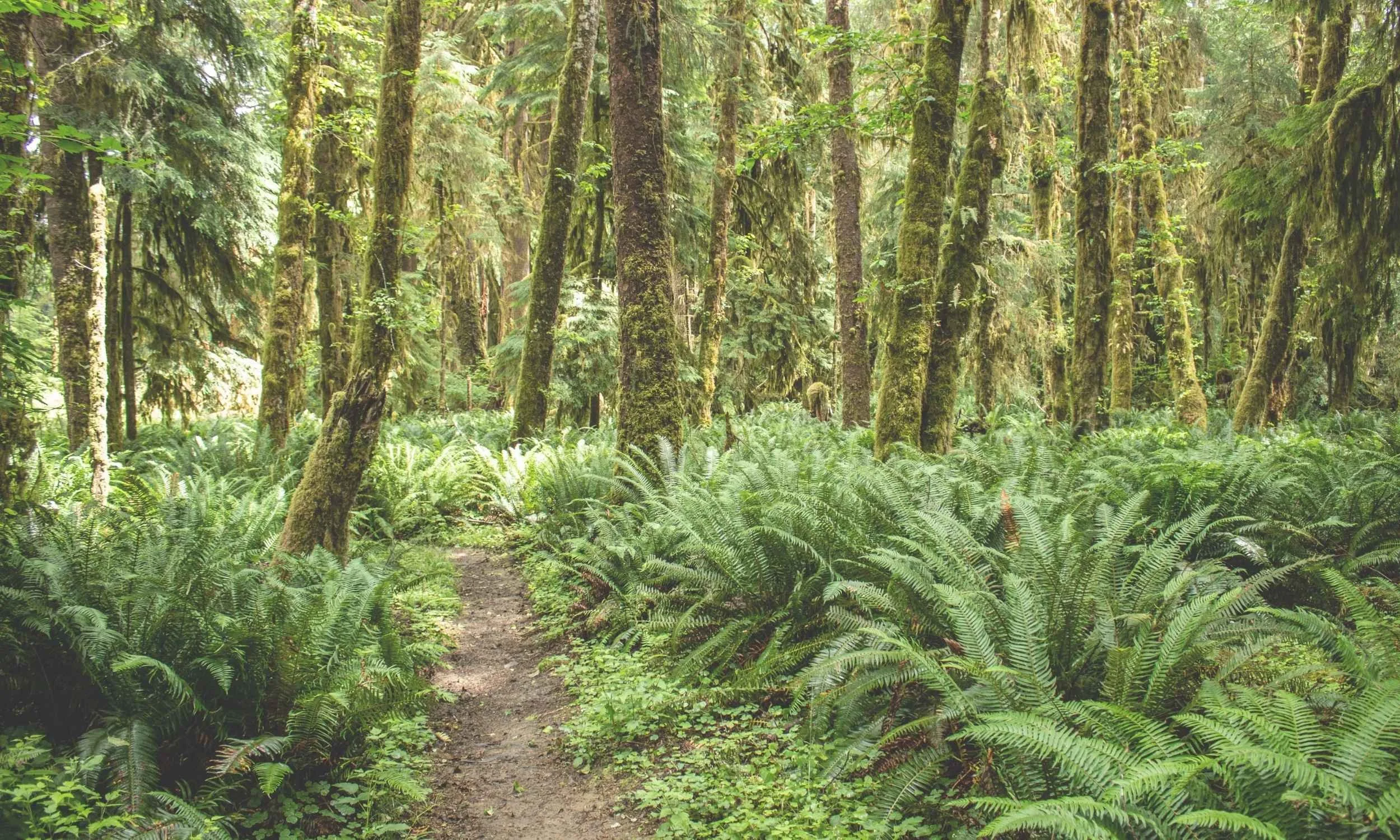
Ecotherapy, also known as nature-based therapy, isn’t just about taking a walk outdoors, it’s about remembering. Remembering what it’s like to feel grounded and to let the wind carry what we no longer need. Whether it’s barefoot in the garden, resting by the ocean’s edge or walking through the hush of the bush, ecotherapy is an invitation. A powerful, evidence-based pathway to healing that reconnects us not just with nature, but with ourselves.
Ecotherapy is grounded in the understanding that human wellbeing and the health of the natural world are deeply entwined. At its core is the biophilia hypothesis, first proposed by biologist E.O. Wilson, which suggests we are biologically wired to seek connection with life and living systems. More recent research deepens this view, showing that our relationship with nature isn't just instinctual, it varies across individuals and is shaped by temperament, lived experience, and emotional connection to the natural world.
The evidence is clear, when we feel connected to nature, our nervous systems settle, our mood lifts, and our sense of meaning and self begins to restore.
It doesn’t demand explanations.
It doesn’t hurry our grief or discomfort.
It doesn’t judge or try to fix the parts of us that feel overwhelmed or damaged.
Instead, it provides a steady, supportive presence.
That’s what makes ecotherapy so powerful. It creates a space where the body can begin to relax, where we can feel a sense of belonging, and where our healing can unfold at its own pace, in connection with the natural world.
Unlike traditional therapy rooms, the natural world offers a sense of expansiveness. There are no walls here. No fluorescent lights. No pressure to perform or produce insight. Instead, there is a different kind of presence, one that allows defenses to loosen and conversations to flow from a deeper, quieter place within.
This is why I use ecotherapy. Because for many, especially those who have felt unseen, overwhelmed, or retraumatised in conventional settings, nature opens a different kind of door. A door that is wide open, a door back to themselves, it’s supported by a growing body of research, showing that ecotherapy interventions can lead to reductions in cortisol (the stress hormone), lowered heart rate and blood pressure, decreases in anxiety and depression, increases in serotonin and improved mood regulation, strengthened cardiovascular and immune function. In other words, nature doesn’t just feel good, it changes us.
In our sessions, ecotherapy may take many forms, each one shaped by your needs, comfort, and pace. It might be:
· A slow walk through the trees, letting conversation rise and fall with the wind
· Time spent grounding barefoot on the earth or sitting in stillness with a view
· Mindfulness or movement practices beneath the open sky
· Nature-based creative expression like eco-art or journaling
Whether we meet one-on-one or in a small group, nature becomes our co-facilitator. We allow the environment to guide and support your healing process, not by forcing insight, but by creating the conditions for it to emerge organically.
If you feel the call to reconnect with the earth, your body, or a quieter part of yourself, I’d be honoured to walk alongside and guide you on this journey.